

Brands in Fortnite: from advertising to experience
Billboards, banners or TV spots, young people barely notice them anymore. They scroll, swipe and game. If you want to reach Gen Z or Gen Alpha, you have to look beyond traditional channels. Fortnite is a key platform for that. It’s a virtual square where over 2.5 million players come together every day to attend concerts, explore new worlds and connect with each other. For brands that want to reach young audiences, this platform is no longer optional, it’s essential.
The risk of misplaced campaigns
Yet, many brands still make the same mistake: they simply “stick” their logo into the game and call it a day. To players, that feels like someone jumping on stage at a festival just to pitch their product. The result? Awkwardness, negative reactions, and even reputational damage. Marketing teams also struggle with how to measure these experiences. While online advertising offers clicks and conversions, a virtual dance in Fortnite feels less tangible. How do you explain in a board meeting that it matters when a player spends twenty minutes inside a branded world?
From billboard to stage
The solution is simple in theory, but challenging in practice: don’t treat Fortnite as a billboard, treat it as a stage. The difference? A billboard broadcasts. A stage invites participation. A strong example is Travis Scott’s 2020 Fortnite concert. More than twelve million players experienced it live. It wasn’t an ad, it was a shared moment that fans still remember years later. That’s what makes a brand truly memorable.
What successful integrations have in common
Brands that truly make an impact in Fortnite do three things right:
- Authenticity: The experience feels natural within the game world.
- Interactivity: Players don’t just watch, they participate.
- Clear goals: Defined KPIs upfront, such as engagement, repeat visits, or brand recall.
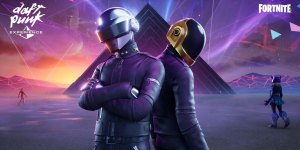
A recent example is the Daft Punk tribute experience, where the legendary French duo introduced a new audience to their music. Players could even mix Daft Punk tracks themselves and purchase digital assets like the duo’s iconic helmets.
The new marketing reality
Brand integration in Fortnite isn’t a gimmick. It’s a strategic move, like opening a flagship store or sponsoring a major event. But with one key difference: here, you’re reaching a generation that’s tuning out traditional ads, yet eager to engage with brands that enhance their world.
Those who take the leap gain more than visibility. They build authentic brand experiences that last. In the game and in the minds of millions of players.