

Activating young audiences? Stop broadcasting
It is the quiet nightmare of every marketing manager: you launch an expensive campaign, yet the target audience simply looks straight through it.
Gen Z and Gen Alpha in particular seem to have developed a natural resistance to traditional advertising. Every day they see thousands of branded posts, prerolls and social ads. Most disappear in the scroll in less than two seconds.
The wall between brand and consumer is thicker than ever. Yet young audiences are not less interested in brands. Quite the opposite. They simply want something different: influence, interaction and experience.
In this blog we show how brands can break down that wall. We explore the psychology behind attention, and why immersive experiences are increasingly the key to genuine engagement and measurable brand impact.
Why traditional marketing no longer lands
We are used to marketing as a shop window: the consumer stands outside and looks in. But for a generation that has grown up with interaction, passive consumption feels like a limitation.
- A video ad is an interruption, not an experience.
- Young audiences are not looking for information, they are looking for control.
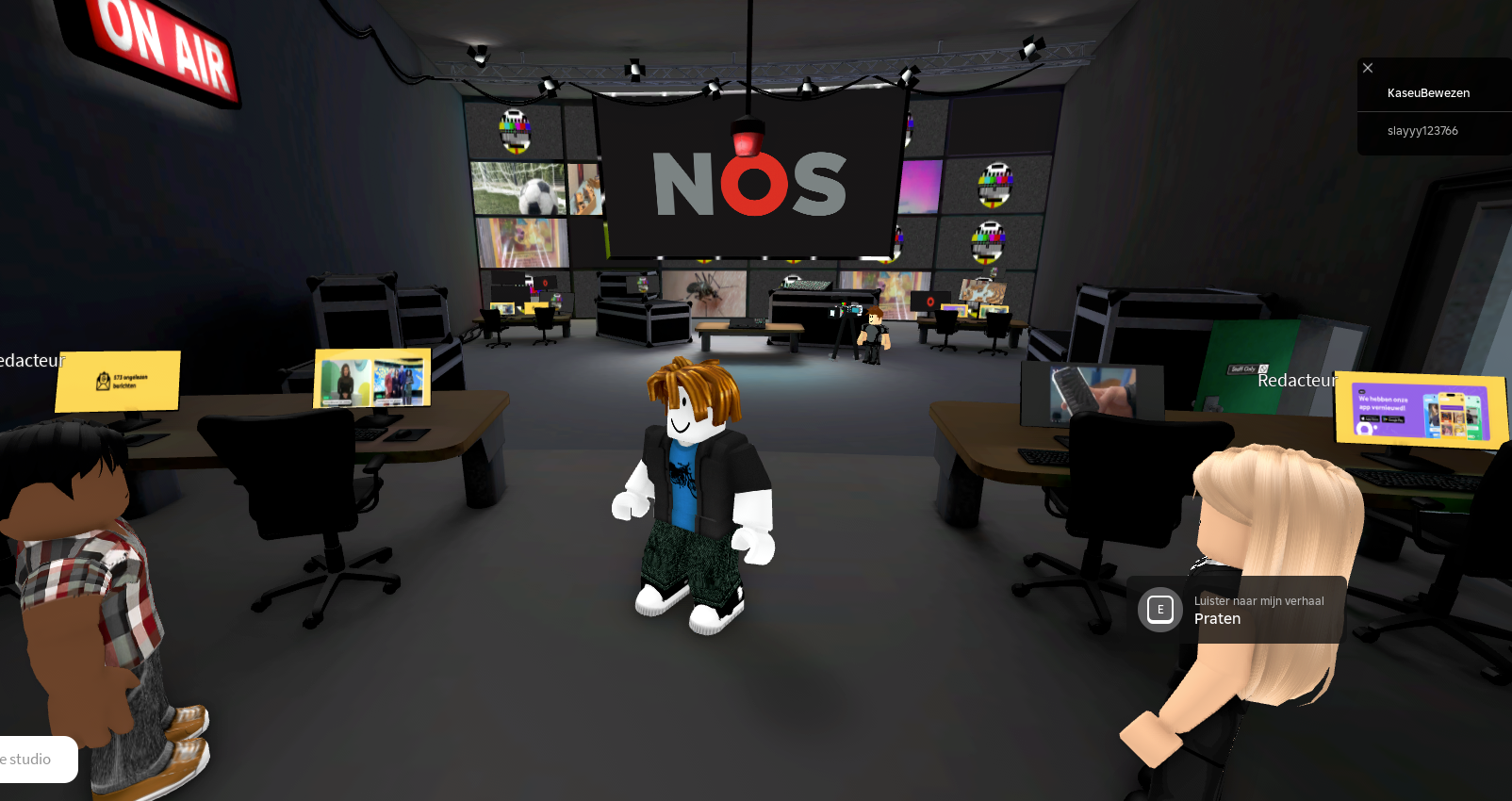
- Immersive experiences make that possible by shifting from storytelling to story living.
Traditional marketing revolves around telling stories. Immersive marketing revolves around allowing people to experience a story. Instead of broadcasting a message, you create an environment in which the audience can discover, influence or experience the story themselves.

Why immersion wins on retention
The biggest frustration with traditional digital marketing is its fleeting nature. In a world of infinite scrolling, the average attention span for a social media advert has shrunk to less than two seconds. Immersive experiences radically reverse that pattern.
- Industry benchmarks show that interactive AR or VR experiences generate significantly longer dwell times than traditional content. Where an advert is quickly scrolled past, an experience invites exploration.
- Research by Neuro-Insight shows that immersive experiences generate memory encoding that is 70% higher than linear video. The brain stores the experience as a memory, rather than as external information.
- Behavioural psychology teaches us that we place more value on things we have invested effort in or influenced ourselves. By giving young audiences control within an installation, a sense of psychological ownership over the message emerges. This directly translates into stronger brand preference and higher purchase intent.
Conclusion
Activating young audiences is not about shouting louder, but about creating a better environment. Those who break down the glass wall and invest in genuine connection do not just build a campaign, they build a brand for the future.
The technology exists. The psychology proves that it works. The only question that remains is: are you willing to hand control to your audience?