
Make an impression that lasts: How a multisensory experience makes your brand unforgettable
Many brands try to stand out by communicating more, but they often miss one crucial factor: people don’t remember what they just see or hear. They remember what they feel. Without emotion, your message falls flat and fades from memory. This is exactly where multisensory experiences make a difference. By engaging multiple senses at once, you transform your brand from something people see into something they experience.
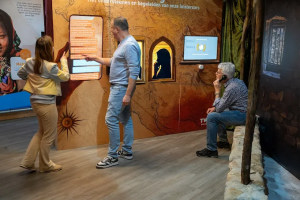
Why senses make a difference
Our brains respond more strongly to emotions than to rational messages. Scents, sounds, and tangible elements instinctively evoke feelings. Think of the smell of freshly baked bread or the soft texture of a luxury package, these sensory cues stick, often longer than any logo or slogan ever could.
Multisensory experiences combine these cues into one coherent story. The result? Brand recall and engagement that far surpass traditional campaigns.

Benefits for brands and events
For brand and marketing managers, the benefits are clear:
- More impact with less noise: targeted sensory cues make your brand stand out in a crowded market.
- Stronger emotional connection: people associate your brand with a feeling, and feelings are remembered better than words.
- Measurable results: interactive experiences provide data on engagement, dwell time, and brand interaction.
- Differentiation: in a world full of similar campaigns, your brand stands out.
Event managers see the same advantages. Visitors become participants, and passive attendance turns into active engagement. Events with scent, sound, or tactile elements linger longer in memory.
Pitfalls and how to avoid them
Many brands hesitate because multisensory experiences can seem complex. How do you prove ROI? How do you keep it affordable and scalable? How do you ensure technology doesn’t overshadow the experience? The answer is focus. It’s not about stimulating every sense at once, but about the right cues at the right moment. Congruence is key: everything you add should enhance your brand story, not distract from it.
How to get started
- Start with emotion: what do you want people to feel? Let this guide your concept.
- Choose the right senses: scent, sound, touch, all should tell one coherent story.
- Test and refine: measure how people respond, then scale.
- Measure impact: translate the experience into concrete goals, such as brand recall, engagement, or conversion.
Conclusion
The brands that stand out aren’t always the loudest. They are the brands that feel. By strategically using multisensory experiences, you turn your brand into something that sticks, in memory and in the heart.
At Boldly, we believe impact happens when creativity and strategy come together and become tangible. It’s not about communicating louder, it’s about reaching deeper.
Do you want your brand to be not just seen, but truly experienced? Now is the time to invest in sensory brand experiences.